
COURSES
Classical Tibetan Language
Classical Tibetan Reading and Pronunciation Practice 201
Instructor: Dr. Tenzin Ghegay
This course focuses on developing accurate Tibetan reading and pronunciation through guided practice with traditional texts. Students will learn the fundamentals of pronunciation based on a central Tibetan dialect while improving fluency, rhythm, and confidence in reading aloud. Through weekly live sessions with a native Tibetan instructor, participants will refine their ability to recognize syllables, apply grammatical rules, and read with clarity. The course is designed for students with basic familiarity with the Tibetan alphabet who wish to strengthen their practical reading skills.
Details
TBD
Online via Zoom
Prerequisite: Familiarity with Tibetan alphabet and syllables
The Basics
Daily Structure & What to Expect
This course is designed for students who wish to improve their Tibetan reading and pronunciation skills through direct guidance from native Tibetan instructor Dr. Tenzin Ghegay. Over nine weekly live sessions, students will learn the fundamentals of pronunciation according to a central Tibetan dialect while developing confidence in reading classical Tibetan texts aloud.
The course emphasizes practical reading, correct pronunciation, and understanding how grammar and syllable structure influence pacing and clarity. Students will work with traditional prayers, scriptures, and literary texts to build fluency and comfort with different styles of reading.
Course Structure
-
Nine weekly live online sessions
-
Instruction in pronunciation based on central Tibetan dialect
-
Guided reading practice during each class
-
Study of traditional prayers and classical texts
-
Explanation of syllable structure and reading rules
-
Opportunity for questions and feedback during sessions


What You’ll Learn
-
Correct pronunciation of Tibetan letters and syllables
-
Techniques for reading Tibetan smoothly and clearly
-
How to recognize syllable patterns and grammar while reading
-
Different reading styles, rhythm, emphasis, and pacing
-
Confidence reading prayers, scriptures, and classical texts
-
How devotional reading can support study and understanding
Students should be familiar with the Tibetan alphabet and basic syllable structure. By the end of the course, students will feel more comfortable reading a wide range of Tibetan texts, even when full comprehension is still developing.
Tibetan Language Programs Team
SINI’s Tibetan Language Program includes an international team of dedicated native and non-native speakers delivering both Classical and Colloquial Tibetan courses through innovative teaching methods.

Franziska Oertle
Director

Paul Wobig
Assistant Teacher
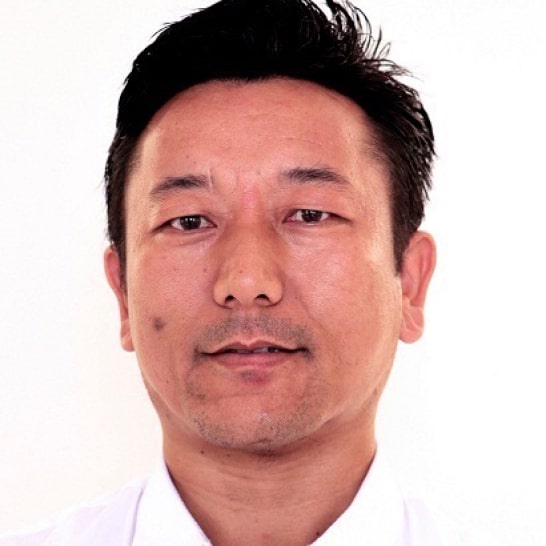
Tenzin Ghegay
Teacher

Ania Sambroska
Assistant Teacher

Tzoe Wong
Registrar

Nat Thammamitr
Assistant Teacher

Lhakpa Tsering
Teacher
Bhargavi Viswanath
Assistant
Alexandra Sukhanova
Teacher

Melissa Katz
Assistant

Pema Woeser
Assistant Teacher

Juan-Felipe Garcia Peña
Online Learning Developer